Share this link via
Or copy link

Have you ever asked yourself how a fleet's purchase procurement budget mysteriously gets depleted? Simple purchasing mistakes, duplicate orders, excess inventory and emergency purchasing will cause incremental cost increases across several ships.
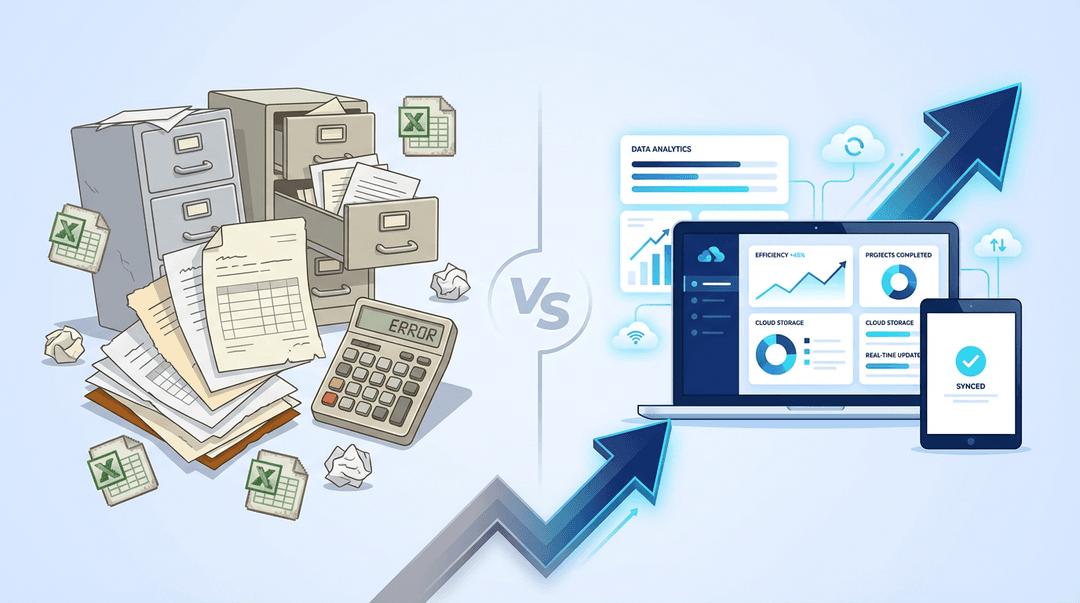
Today's maritime ERP software integrates purchasing, maintenance, inventory, and finance data into a single application. This allows managers of ships to see clearly what each ship requires, what is available, and when additional purchasing is needed.
Connecting Maintenance With Procurement
Maintenance activity dictates when spare parts will be needed. An integrated system that links planned maintenance plans to procurement plans ensures that requisitions are prepared for parts well in advance of need.
The marine procurement software helps the reduction of rush orders as well as ensures shore staff are better informed about the future maintenance requirements of all the vessels.
Key features
Improving Spare Parts Visibility
Awareness of existing parts prevents duplicate orders. Ship spare parts management provides awareness of available stock levels onboard, which will allow checking of existing quantities prior to making any new requisition.
Standard part numbering and component history also give further clarity in the purchasing process. Correct data helps avoid ordering wrong parts that would lead to further complications.
Making Vendor Selection More Efficient
The selection of suppliers entails detailed comparative analysis of cost, delivery time, and past performance records. The use of maritime ERP software can help to arrange quotations from various maritime vendors for effective comparison.
Other ways of managing supplier selection include an online approval process that enables managers to review future spendings and avoid unplanned purchases.
Controlling Inventories And Hidden Expenses
Having too many spare parts on board means keeping money that should go somewhere else. Good maritime inventory management offers fleet-wide inventories, allowing managers to see what is available before buying anything else.
Improved planning will allow saving on space while ensuring that essential parts are available. Proactive procurement will minimise rush delivery costs even further.
Key Areas That Require Constant Attention
Cost Area
What Managers Must Pay Attention To
Stock
Availability and requirement amounts
Cost of suppliers
Cost quotations and delivery times
Parts usage
Usage history
Urgent orders
Purchases and rush charges
Invoices
Quantity ordered, received, and invoiced
Bringing Procurement Under Better Control
A specialised system for vessel procurement software will help to arrange all aspects of the process, including the requisitions, quotes, approvals, purchase orders, and receipts in a single workflow. As a result, ship managers will have better insight into the procurement from beginning to end.
The automated process of matching purchase orders, receipts, and invoices may be useful to detect any inconsistencies prior to making payments. Thus, the process becomes more efficient and controlled.
Winding Up
Efficient cost control of procurement will be ensured through proper inventories, correct choice of suppliers, and better collaboration between maintenance and purchasing units. The maritime ERP software integrates all these processes into one to enable ship managers to optimise their purchasing of spare parts.
Are you interested in having better control over the procurement process in your fleet? If yes, Try Naviox, the maritime-connected platform for vessel operations, inventory and purchasing
Years of industry expertise and collaborative efforts from seasoned professionals.


Dubai Office:
408, Dubai Real Estate Centre,
Al Mina Road, Satwa,
P.O. Box – 50127, Dubai, U.A.E.
+971 585 849 369
bd@triguninfotech.com
Singapore Office:
77 High Street, #04-10,
High Street Plaza, Singapore, 179433.
+65 8385 2195
bd@triguninfotech.com




Powered By: